Why Chair Legs Leave Black Marks and How to Stop Them
Updated November 23, 2026
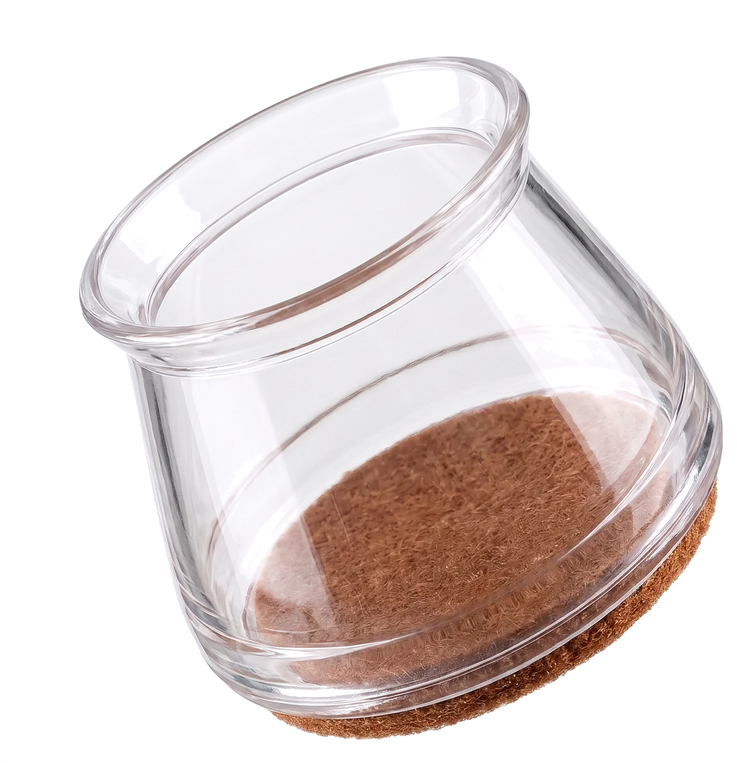
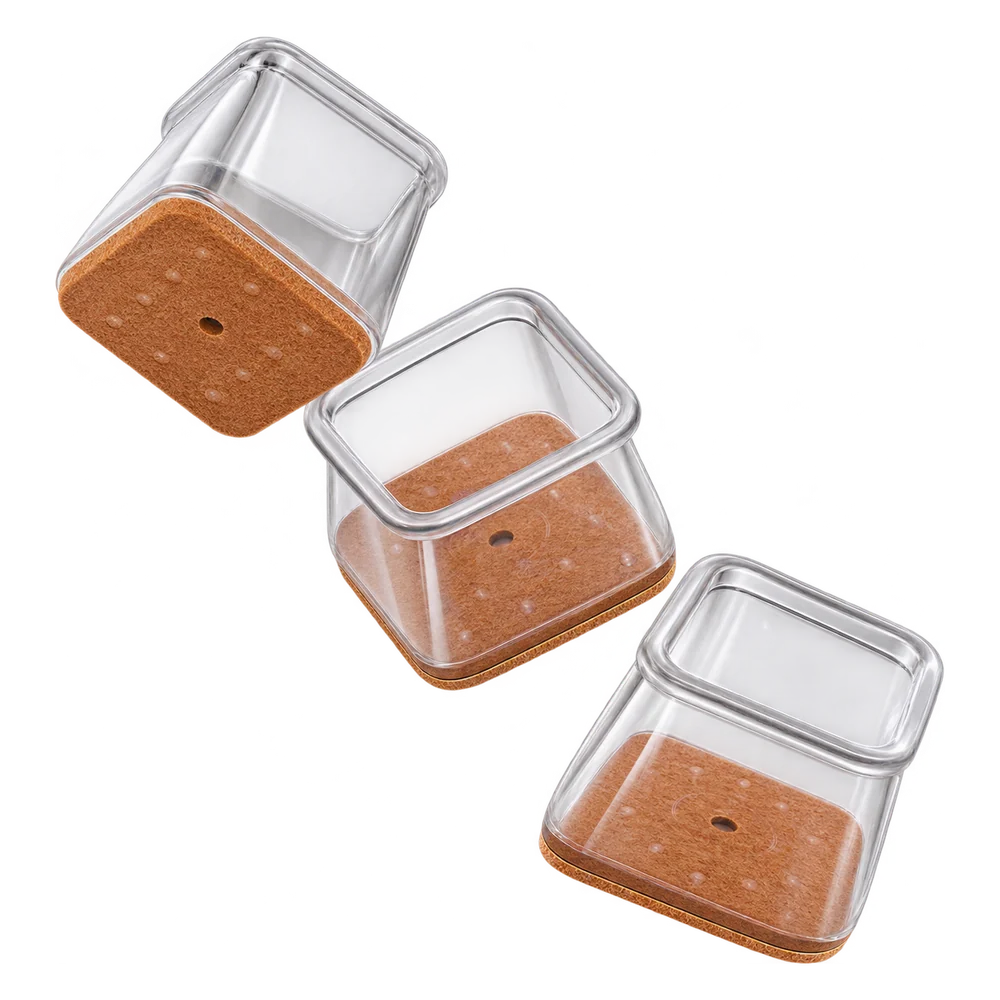
If the black lines follow the path of a dining chair, stop using the suspect chair on that spot and inspect the feet. Replace a worn or marking contact surface with clean felt that suits your floor. Scuffo Chair Shoes put felt under compatible round feet without leaving glue on the furniture. A square leg takes Square Chair Shoes. Clean any existing mark according to the floor maker’s instructions before testing again.
Is it a scuff, a scratch or a dent?
Look at the mark in light from the side. A line on the surface can be material transferred from an old foot, accumulated grime or a mark in the finish. A narrow groove may be a scratch. A round or square depression under a heavy foot is a different problem, even if the dark color makes it look similar. Treat that visual check as a clue. If a board is gouged, the finish appears damaged or you can't tell, ask the floor installer before applying a cleaner or repair product.
Avoid a hard scrub or a solvent experiment. A cleaner that works on some tile can be wrong for a wood finish or a vinyl wear layer. For hardwood, the National Wood Flooring Association recommends a cleaner made for the particular finish. Follow the floor maker’s method for the material in your home.
Match the marks to the feet
Look where the marks start. Four small dark patches under the chair suggest the contact points. A line leading out from the table tells you to check the feet that travel along it. Inspect each foot rather than assuming the nearest one is responsible.
- An old foot with a flat, rough edge. Look for a missing or worn glide. On a hollow metal leg, identify whether it needs an outside cap or a replacement insert.
- A felt pad with black adhesive sticking out. The pad may have shifted. Remove the failed pad if the chair maker permits it and clean the foot before fitting a replacement.
- Felt with something hard caught in it. Pick out loose grit and replace the pad if it stays rough. Check for staples and worn fasteners too.
- A heavy piece sitting in one place. If there's a dent every time you move the furniture, ask the flooring manufacturer what type of load-spreading protector it recommends.
Set up a clean test
Clear the test area, then use one empty chair with protected feet. Draw it back once over a short distance, set it back down and look at both the floor and the pads. A new dark line can point to a remaining exposed edge, a dirty pad, or a different item touching the floor. Also check that the felt lies flat when the chair sits upright.
A slip-on cap holds by the fit around the leg, so it avoids the adhesive failure that makes old stick-on pads creep sideways. It still needs a good fit and a clean base. Measure the feet at the bottom, including the back legs, then choose the right Chair Shoes size. If you find a narrow steel tube, check the metal-leg cap guide.