How to Keep Dining Chairs from Catching on the Rug Edge
Updated November 23, 2026
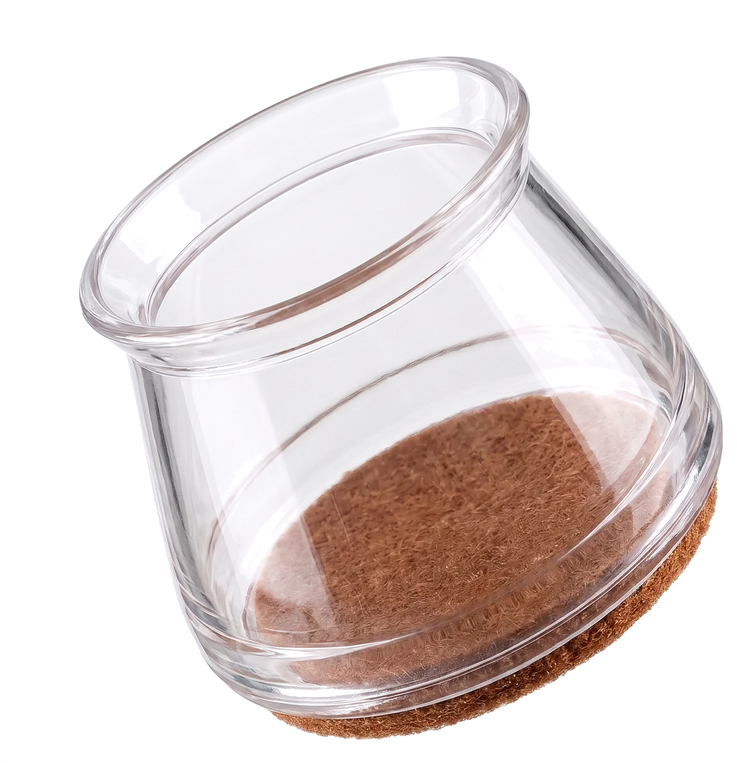
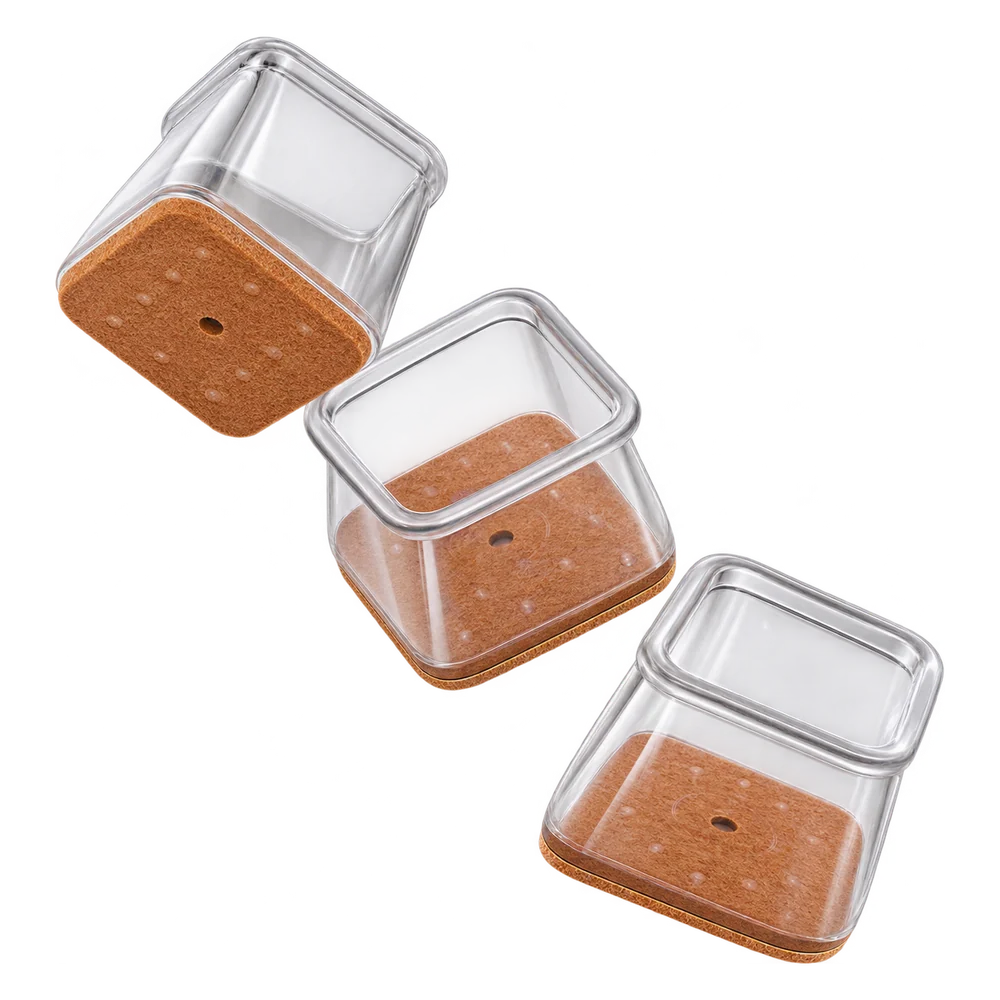
Move or resize the rug so the chair feet stay on the same surface when someone sits down or stands up. If the chairs will move on bare hardwood, put fitted felt under each foot. Scuffo Chair Shoes give compatible round legs a felt base for that hard-floor path. Square legs take Square Chair Shoes. A cap can't flatten a curled rug edge, so deal with that part first.
Measure the path the chair actually travels
Push the chair in as you normally would. Pull it back far enough for someone to get up comfortably. Mark where the rear feet stop using a tape measure and note where the rug ends. Repeat for chairs on both the long side and the ends. The needed rug size depends on the way people sit and how much room they have behind them.
If the rear feet are already on the bare floor before someone sits, they have to climb the rug when the chair goes back in. That can catch the foot or drag the rug. A layout that keeps all four feet on the rug during the full pullout removes that crossing. In a narrow room where a larger rug would block a walkway, a rug-free chair path may work better.
Work out what's catching
Watch the foot from the side during a slow push with the chair empty. Look for three common patterns.
- The rug edge curls or shifts. Follow the rug and floor makers' advice for a compatible underlay or edge treatment. If the edge still pulls up, move the rug out of that route.
- A rough chair foot grabs the fibers. Look for a worn glide, protruding fastener or damaged foot. If the chair will stay on the rug, a smooth glide designed for that rug may suit it better.
- A chair cover rolls or pulls loose on the threshold. Check the size and shape. A dangling lip can grab a rug. Felt works best when the whole base stays flat on a clear, hard surface.
Protect the exposed floor
After you settle on a layout, try it with an empty chair. Clear crumbs from the floor under the table and inspect the feet. For a bare-floor setup, choose the cover by the shape and width of the foot. Seat the foot fully inside each protector and put the felt toward the floor. A flip or a fold underneath can make the chair unstable or noisy.
If you keep a rug where other feet also contact hardwood, check those contact points independently. You may need an approved pad for the exposed furniture feet and a rug-appropriate glide for chairs that remain fully on the rug. For hardwood, check the manufacturer's guidance on rug backing, especially if the floor finish is new.
Buy for the surface you're keeping
If you've switched to a clear floor under the dining chairs, measure for Scuffo Chair Shoes. If the noise continues after the rug is out of the way, use the dining chair noise checklist to find the offending foot or joint.