How to Stop Dining Chairs from Screeching on Hardwood
Updated November 23, 2026
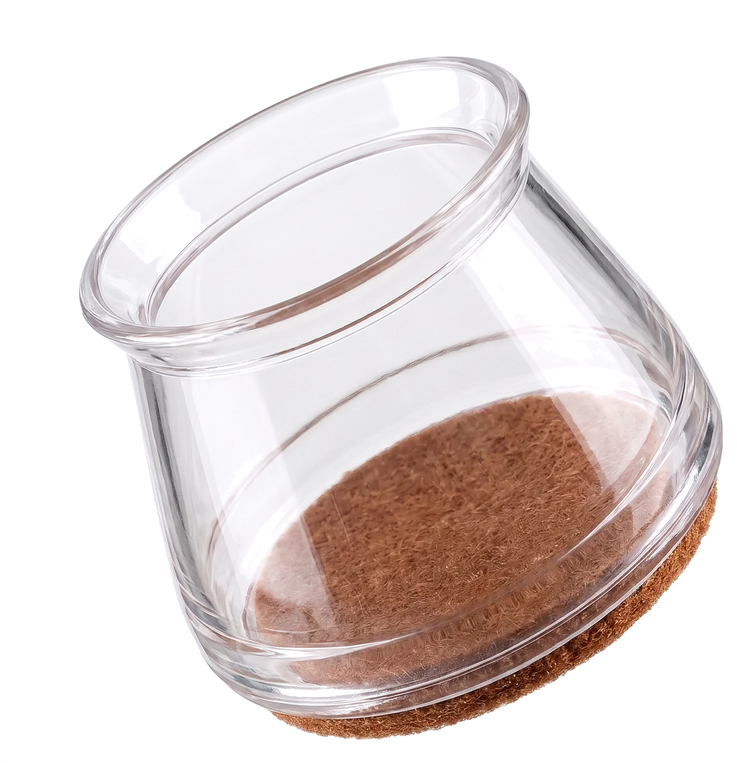
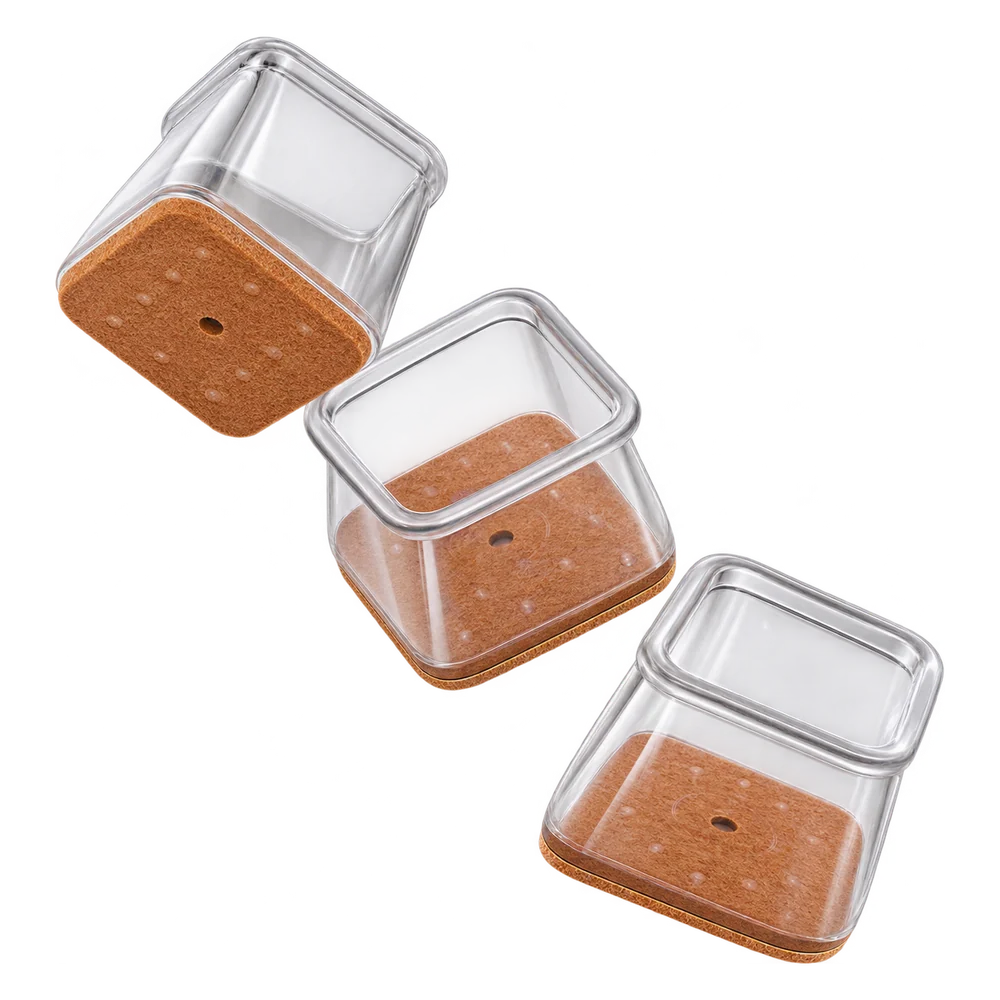
Put a clean, fitted felt base under every chair foot. On straight round legs, Scuffo Chair Shoes slip over the foot so the soft felt touches the hardwood instead of the bare leg. On square legs, use Square Chair Shoes. If the noise happens when you sit down without moving the chair, check the chair joints first.
Find the part that is making the noise
Pull out an empty chair once and listen. Then stop moving it and press gently on the seat from above. A harsh sound that happens only while the feet move points to contact with the floor. A creak from the seat, frame or back while the chair stays put points to a different job. Set aside a chair with a loose frame or a shifting leg until it can be repaired.
Turn the empty chair over onto a folded towel. Check all four feet. You may find three intact pads and a fourth that's worn through, a plastic glide with a burr, or a ring of grit stuck in old adhesive. One bare foot is enough to make noise even when the other three feel fine.
Get the felt flat against the floor
Measure across each foot at the bottom. Take a round measurement through the center. For square legs, measure from one flat side to the opposite side. Front and back legs can differ, so take both measurements before ordering for a full set.
Scuffo Chair Shoes have a flexible cover with an integrated felt base. The cover grips around a compatible foot, so installation doesn't depend on adhesive sticking to the underside. Felt-Base Leg Caps cover smaller round legs down to 10 mm. If the legs flare outward, check the feet from the side before settling on a flat cap. A pad that rides on one edge wears differently and can leave the chair rocking. See the guide to angled stool legs.
Wipe dust and loose debris off the leg. Fit the cover right way up: the open end goes over the leg, the felt faces the floor, and the foot seats fully inside. Keep all the feet at a consistent height. Set the empty chair down and run a short pull and push on a clean patch of floor before using it normally.
If the chair still makes noise
Watch which foot leads when you pull the chair toward you. Look for a cap that has shifted or folds under the leg, a missing pad, or a bit of grit in the felt. Inspect the floor too. Crumbs and sand can make a new pad sound scratchy. The National Wood Flooring Association’s maintenance guide recommends sweeping, dust mopping or vacuuming on the bare-floor setting.
A dining chair also makes a different noise if it hits the table base, knocks another chair or creaks under load. Leave room for the chair to pull out without catching on anything. If the noisiest spot is where a chair crosses a rug edge, try the rug transition checks.
A quick way to buy the right pack
Start with the chair you hear most. Check that it has four consistent points of contact and measure its feet before buying for the whole room. A 16-pack covers four four-legged chairs. Check the round Chair Shoes sizes or match the width of square feet.