How to Move a Dresser, by Yourself or With a Helper
Updated November 25, 2026
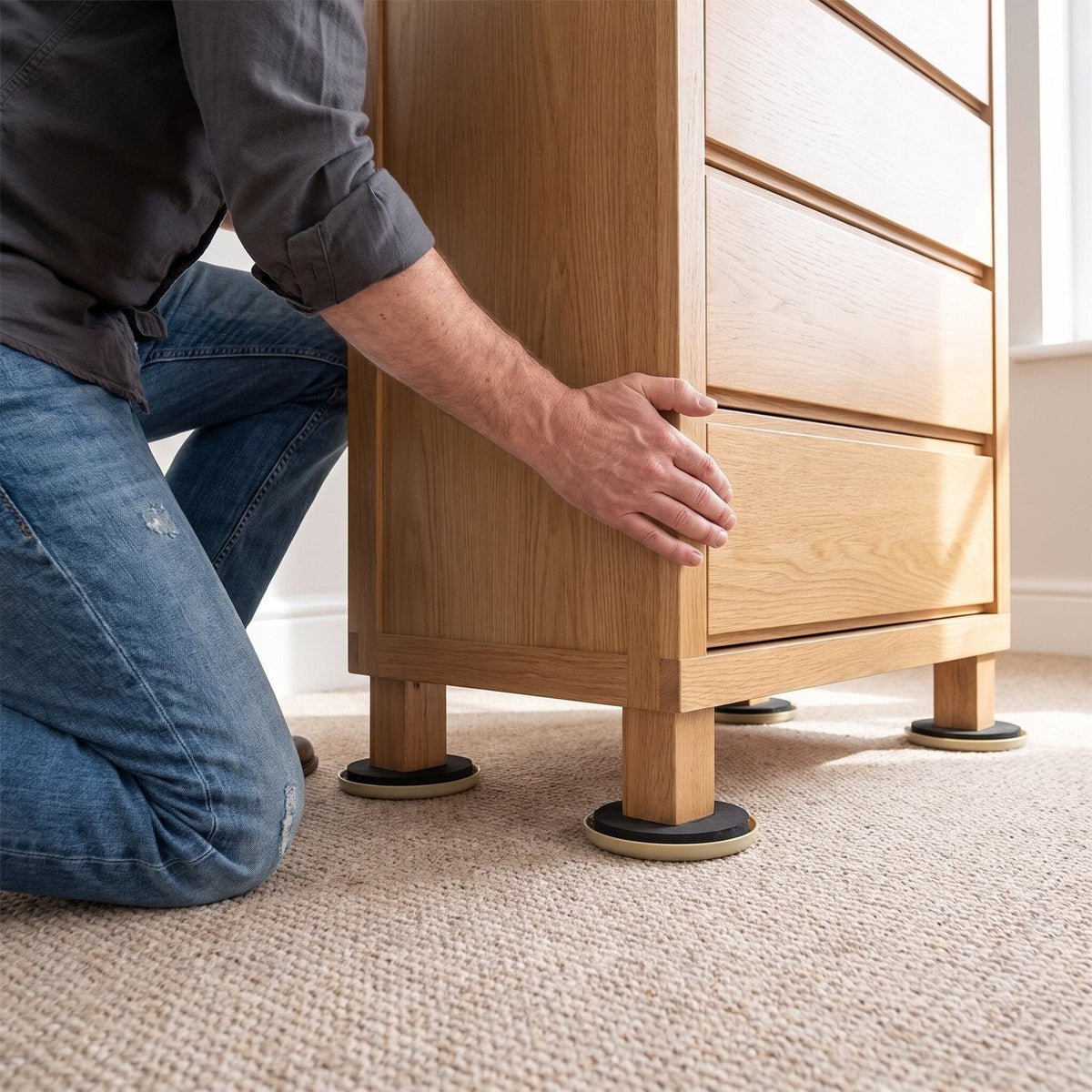
How to move a dresser starts with taking it apart: pull out every drawer, so the frame you move weighs a fraction of the full piece and nothing slides out halfway. Then slide the empty frame across the room on furniture sliders, and carry it or roll it on a dolly only where you have to.
Short answer: empty the drawers and take them out, then lift off any mirror or loose top. Wrap the frame in a moving blanket. Across a room, tip it slightly, set a slider under each leg and push low. Through the house and on stairs, strap it to a hand truck or carry it with a helper. Refit the drawers, put felt under the feet and reattach any anti-tip strap in its new spot.
Get the dresser ready
- Empty every drawer. Pack the contents in boxes, or leave soft clothes in drawers that you carry separately.
- Pull the drawers out. Number them on a piece of tape on the back, so each goes back in its own slot.
- Take off a mirror: it is usually bolted to the back. Wrap it separately and carry it upright, never flat.
- Lift off any glass or stone top and wrap it on its own.
- Unscrew any anti-tip strap or bracket from the wall and keep the screws with it.
What you need
- Painter's tape and a marker, to number the drawers
- Moving blankets and stretch wrap
- Furniture sliders, one per leg
- A screwdriver for the mirror and any anti-tip bracket
- A hand truck with a strap, and a helper, if stairs or a vehicle are on the route
How to wrap a dresser for moving
Drape a moving blanket over the frame and hold it on with stretch wrap or with tape on the blanket. Never put tape directly on the finish, because it can lift the finish or leave residue when it comes off. Stretch wrap straight onto wood is fine for a day, but for storage it can trap moisture, so keep a blanket between them. Pad the corners, since corners hit door frames first.
How to move a dresser across a room
- Sweep the route on hard floors.
- Tip the dresser back slightly from the front and slide a slider under each front leg, foam side up, smooth side down.
- Tip it forward from the back and do the same for the back legs.
- Push low on the side or base, not from the top. A tall chest pushed high can tip over.
- At the new spot, tip each end and take the sliders out.
| Slider | Size | Fits legs up to about | Pack |
|---|---|---|---|
| Furniture moving sliders, 3.5 inch | Round, 3.5 in (89 mm) | 3 in (76 mm); measure bun feet first | 12 |
| Reusable furniture sliders | Hexagon, 3.15 in (80 mm) | 2.4 in (60 mm) round, 1.75 in (45 mm) square | 4 |
Both have a smooth plastic base made to glide on carpet, and they also slide on swept hardwood, laminate and tile. The supplier states no maximum load, so take the drawers out first. A dresser on a solid plinth with no legs can sit on four sliders, one under each corner of the base, as long as each slider is fully under the wood.
On carpet, hard plastic sliders are the right tool: bare legs dig into the pile and snag the loops. On hardwood, the risk is grit trapped under the slider, so sweep first and push slowly, and lift the dresser over any rug edge or threshold strip rather than forcing the slider over it.
How to move a dresser by yourself
With the drawers out, a low dresser can be slid across a room by one person. A tall chest of drawers can tip when pushed, so have a second person steady the top. Take the drawers to the new room first, then move the empty frame. At a doorway, measure the opening between the door stops and the dresser's depth; if it is tight, take the door off its hinges. Leave stairs, steps and lifting into a vehicle for two people. Our guide on how to move heavy furniture by yourself covers walking, blanket drags and hand trucks.
How to move a heavy dresser up or down stairs
- Always with two people, and always with the drawers out.
- With a hand truck: strap the dresser on with its back against the hand truck, tilt it back, and take one step at a time, with the person on the handle above and a helper below.
- Carrying: hold it upright or tilted to match the angle of the stairs. The person below takes more weight, so put the stronger person there, and agree on calls such as "step" and "stop" before you start.
Loading a dresser into a truck
Stand it upright against the front wall of the truck or van, facing the wall so the drawers or doors cannot open, and strap it to the tie-down points. Load the drawers separately, packed with soft items. Never lay a dresser on its front, where the drawer fronts and knobs take the weight.
After the move
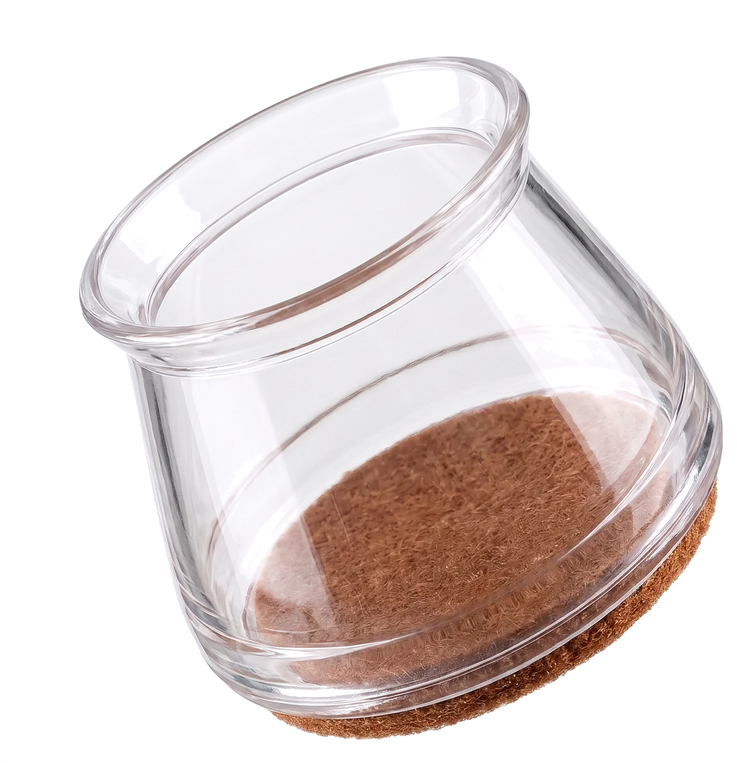
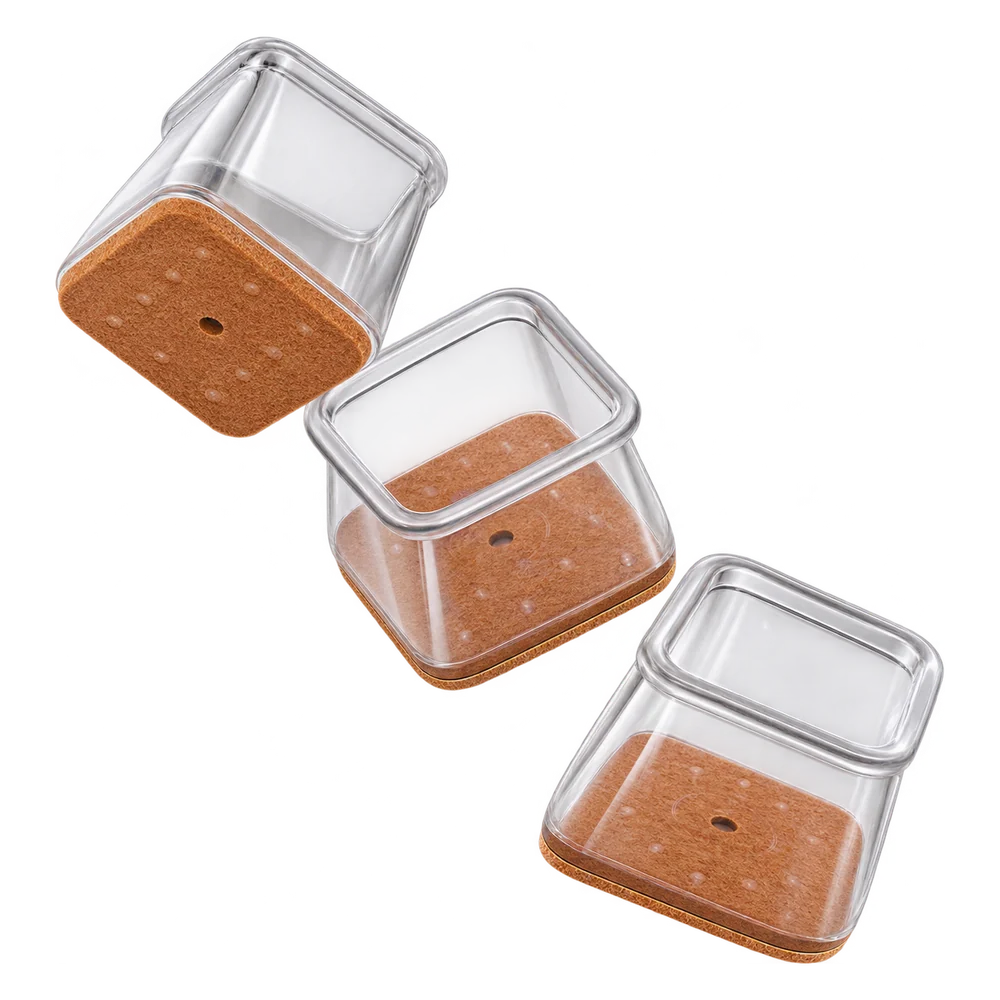
Refit the drawers in their numbered slots and check each one runs smoothly. Put felt under the feet before the dresser goes into place: round and square felt pads come one size per pack, including 84 x 42 mm (3.31 x 1.65 in) rectangles for block feet. Then reattach the anti-tip strap or bracket to the wall. A tall dresser with its drawers pulled out can tip forward, so do not skip this in a home with children.
Honest limits
Antique dressers with loose joints, marble tops or glued-on mirrors are better handled by movers. Sliders will not help on stairs, and they are not for leaving under the dresser afterward.
Questions
Should you take drawers out of a dresser to move it?
Yes. The frame is far lighter without them, and drawers left in can slide out when the dresser tips. Carry them separately and number them so each goes back in its slot.
How do you move a heavy dresser by yourself?
Take out the drawers, tip the frame to set a slider under each leg, and push from low down. A tall chest can tip, so get someone to steady it, and leave stairs and loading a vehicle for two people.
Can you move a dresser with the drawers in?
Only a short way across a room, with the drawers held shut by a blanket and wrap. For anything longer, take them out.
How do you wrap a dresser for moving?
Cover it with a moving blanket held on by stretch wrap or tape on the blanket, never tape on the finish. Wrap mirrors and glass tops separately.
Do I need to anchor a dresser after moving it?
If it was anchored before, yes: refit the anti-tip strap or bracket in its new spot. A tall dresser with its drawers pulled out can tip forward.